
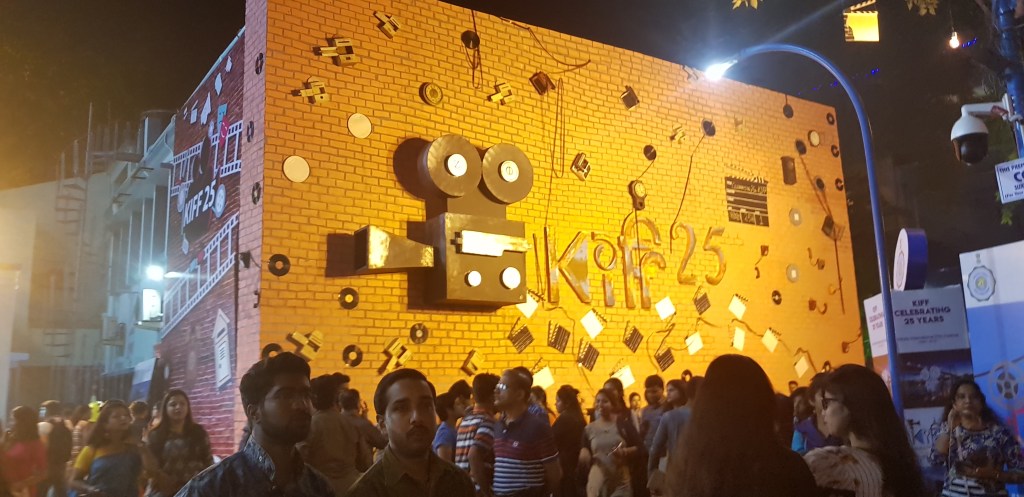
Perhaps I was one of the very few Filipinos who were able to watch the film Mindanao at the 25th Kolkata International Film Festival, and although there were surprising hassles in our plane travel and it’s true that the kind locals do drive like they are in a competition, watching the film Mindanao directed by Brillante Mendoza was certainly something I did not regret doing.
Mindanao stars Judy Ann Santos, Allen Dizon and Yuna Tangog. It was written by Honee Alipio, who represented Mindanao in Brillante Mendoza’s absence; she was not able to arrive in Kolkata on the festivals’s opening day, but on the second screening of Mindanao (November 13) the reception from the audience in the Rabindra Sadan Cinema was definitely warm.
Mindanao is an island south of the Philippines, from which they took the title. The film is about a Muslim family in Mindanao— of Saima, a mother who must do all she can to keep her cancer-stricken daughter alive, and whose husband, Malang, works as a combat medic, in missions that take him all over the island, saving the lives of soldiers while he himself is unable to be there for his family. The lives of the characters in Mindanao is interweaved with the epic tale of the two warrior brothers Rajah and Sulayman in animation.
It gladdens one’s heart that even though the citizens of India, a land so far away from the Philippines, may not know or hear too much about the island of Mindanao and the issues it had been facing, they can easily follow and understand the connections in the film. Upon the film’s ending and even as she walked out of the theatre, many approached to congratulate Ms. Alipio to share how they shed tears and can relate to the story of Mindanao.
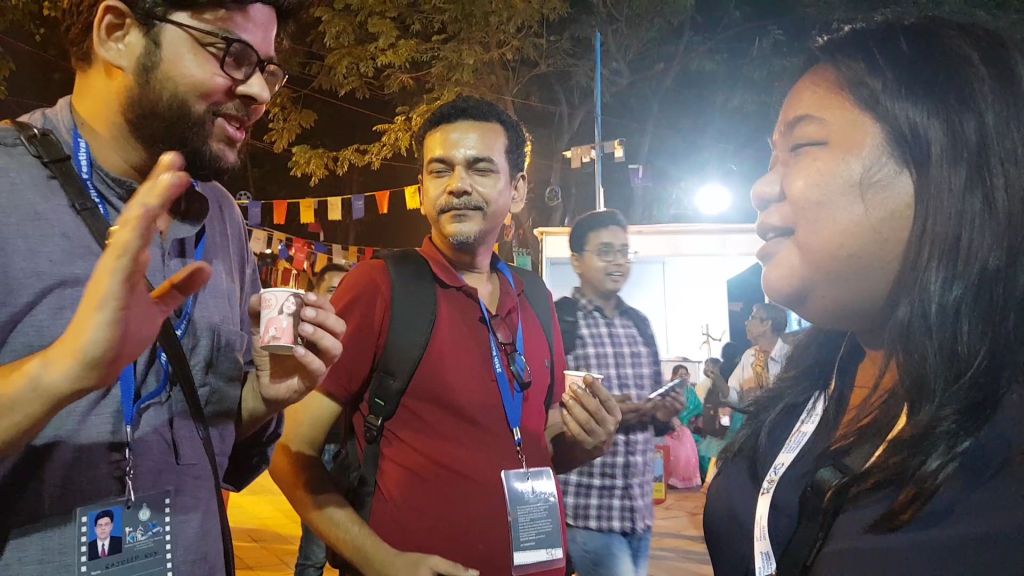
And isn’t that the main purpose of creating films? To forge an understanding between various peoples, whatever difference in beliefs they may have, even though they are thousands of miles away from each other, to touch hearts and make it a bit softer, and hopefully change perspectives for the better? The film Mindanao succeeded in this.
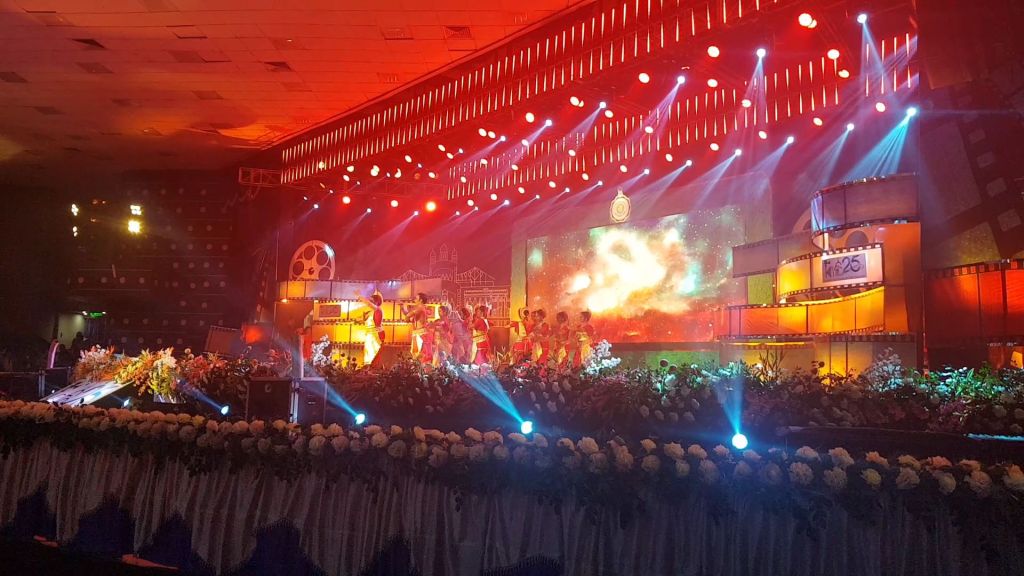
We should also thank the government of India, the City of Kolkata and the Kolkata International Film Festival for its acceptance of quality films from around the world, and for its strong encouragement of the locals to go out and watch these films—and I tell you, they know how to appreciate and welcome their guests. Keep it up!
 One Philippines Filmmakers